25 years with little ones
My name is Ghossiya Shahzad, and I have over 25 years of experience working with and teaching children in the early years, from birth to five.
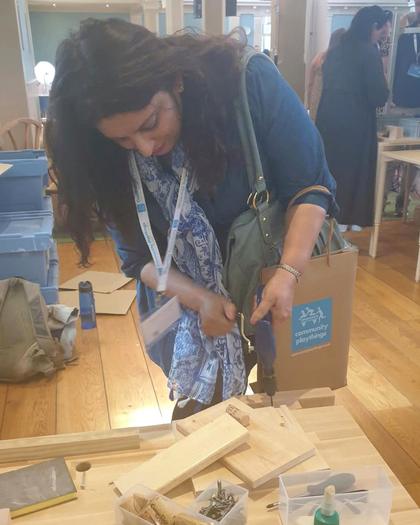
My journey began in Dayton, Ohio, where I spent four years working at a private day care centre called Kiddie House. It was there that I discovered my passion for working with young children. When I returned to England, I became a registered childminder and joined the West Swindon Family & Children Centre, where I spent ten years supporting young families and working within early years.
During this time, I ran programmes including PEEP (Parent Early Education Partnership), healthy eating, toilet training and general family support. I completed my NVQ Level 3 in Child Care, followed by a BA Honours degree in Early Childhood Studies.
– 8 yrs
– Fri
Froebelian learning & wooden toys
Our setting is inspired by the Froebelian approach to learning, where children are encouraged to explore, create and follow their own interests.
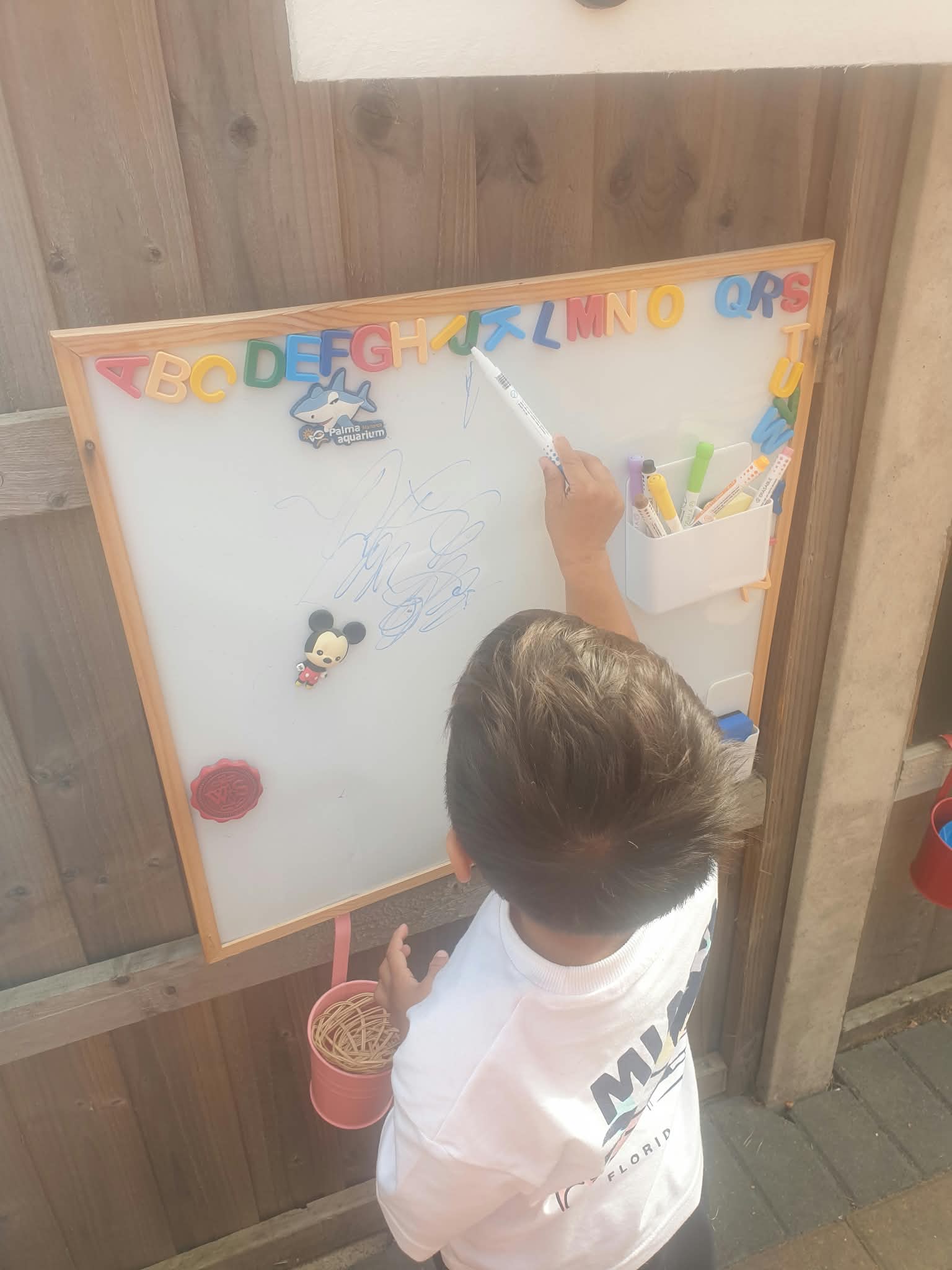
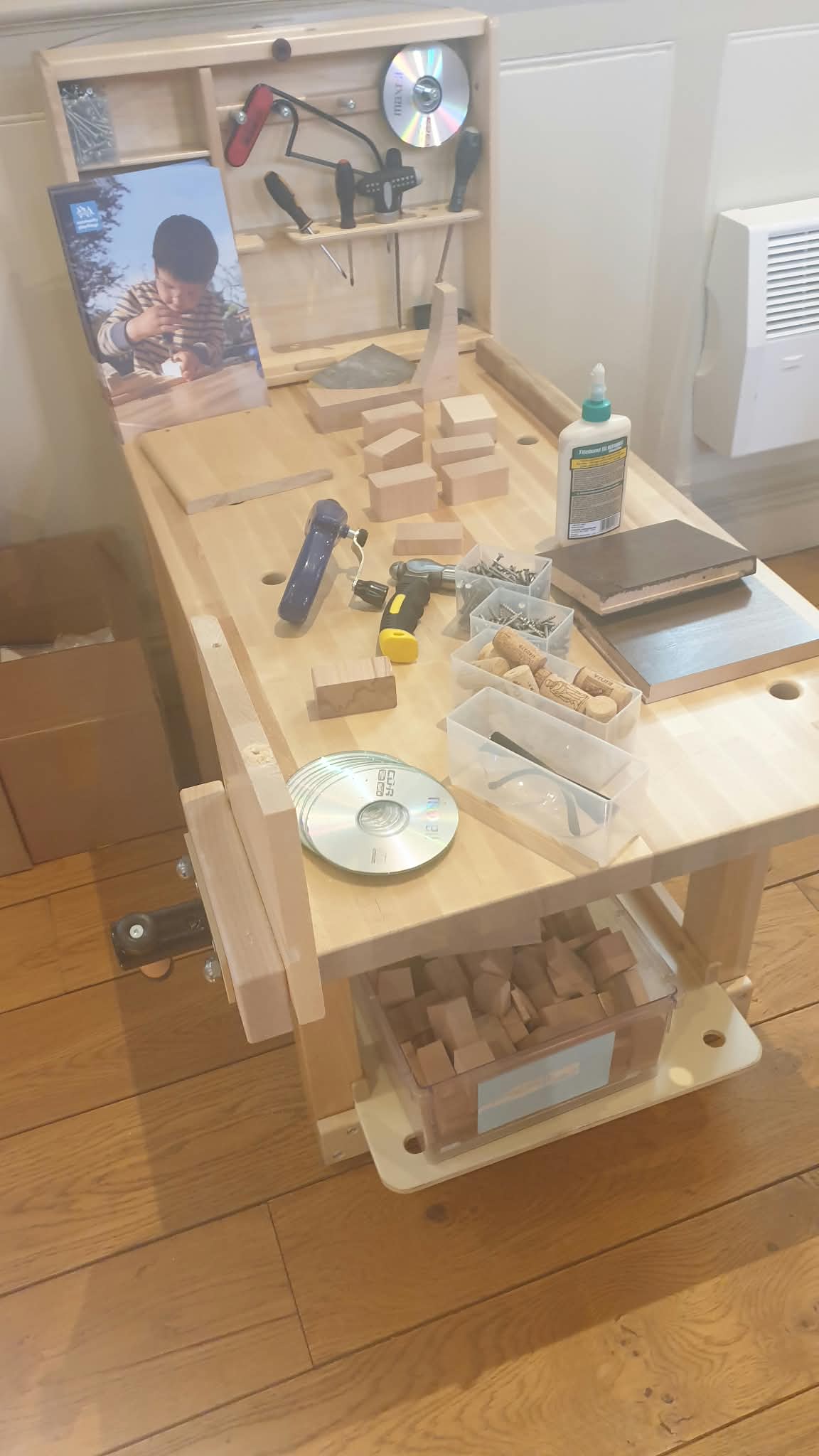
They can choose from a range of occupations, including painting, art, clay, cooking, stitching and woodwork.
The focus is on giving children the freedom to discover how they want to be creative, rather than deciding for them what they should make.
Real tools, small hands
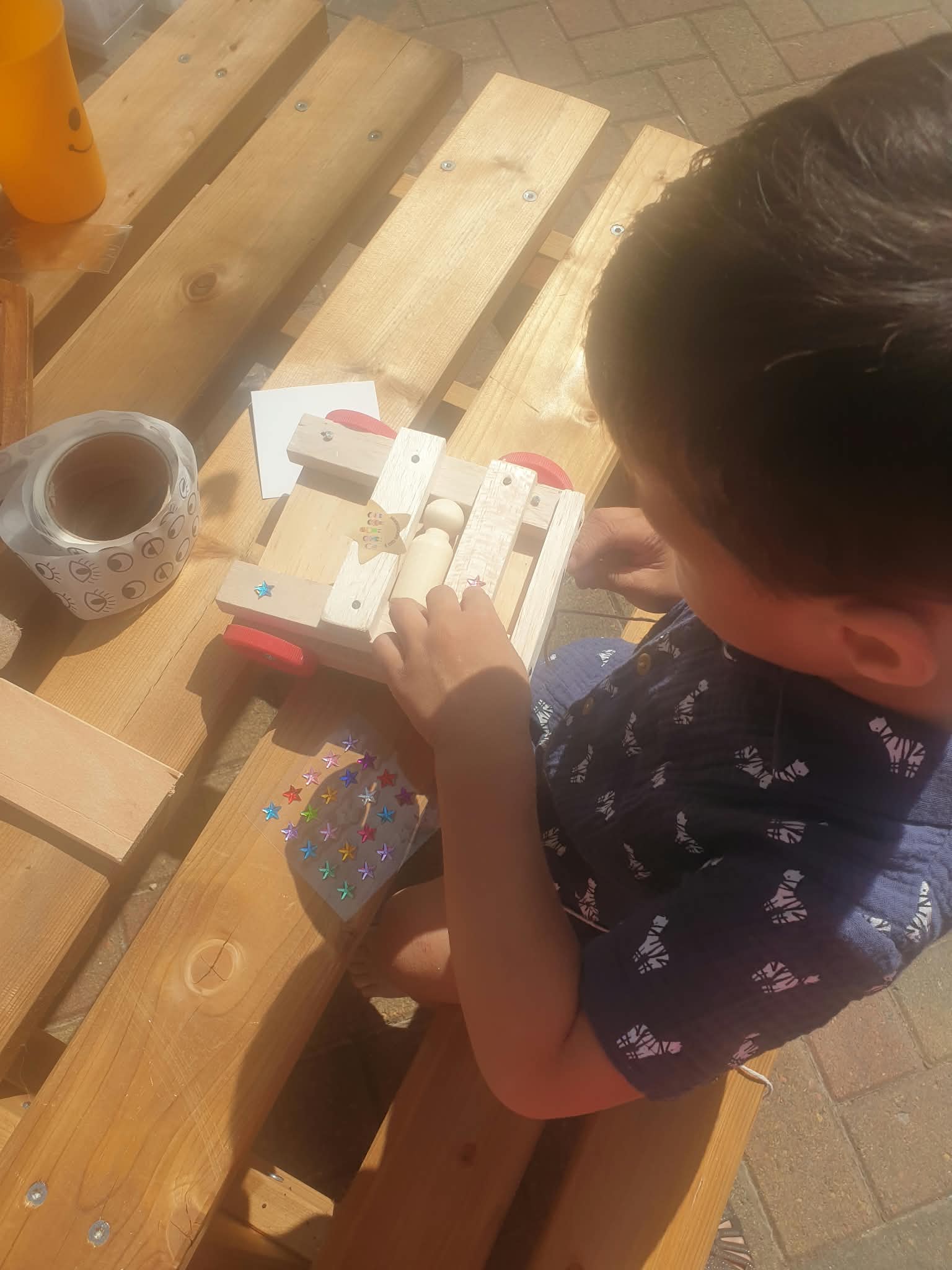
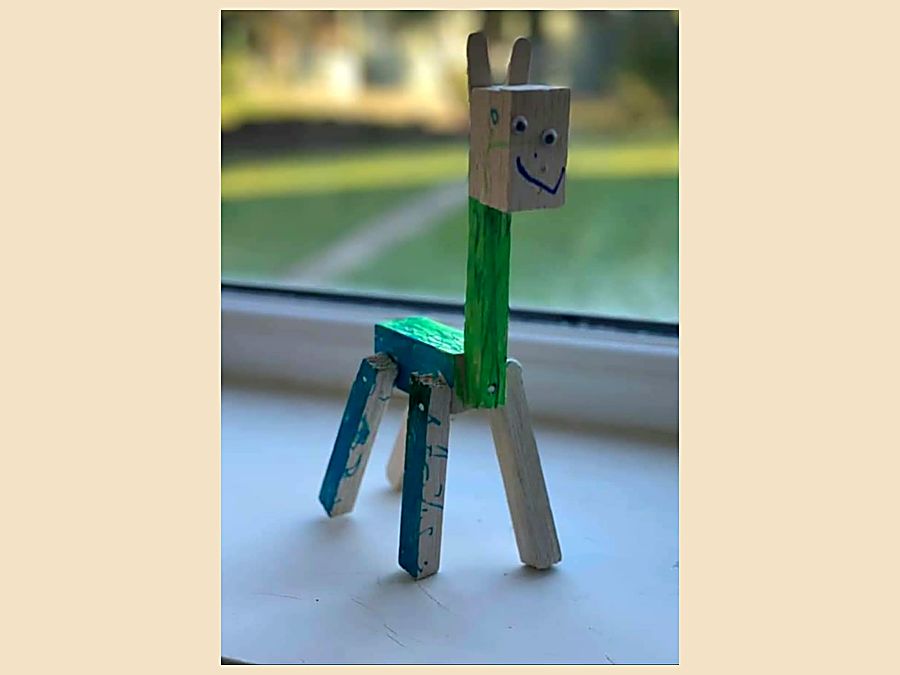
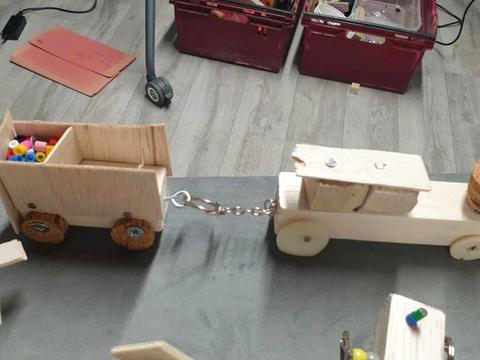
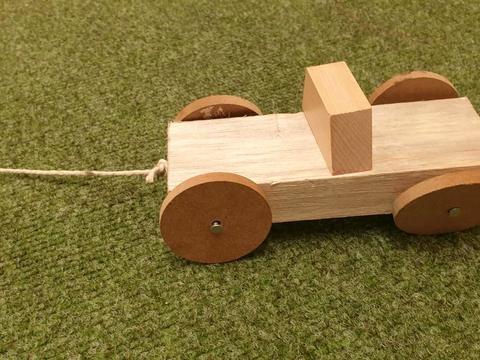
From around age three, children choose what they want to make from balsa wood — a giraffe, a car, a merry-go-round.
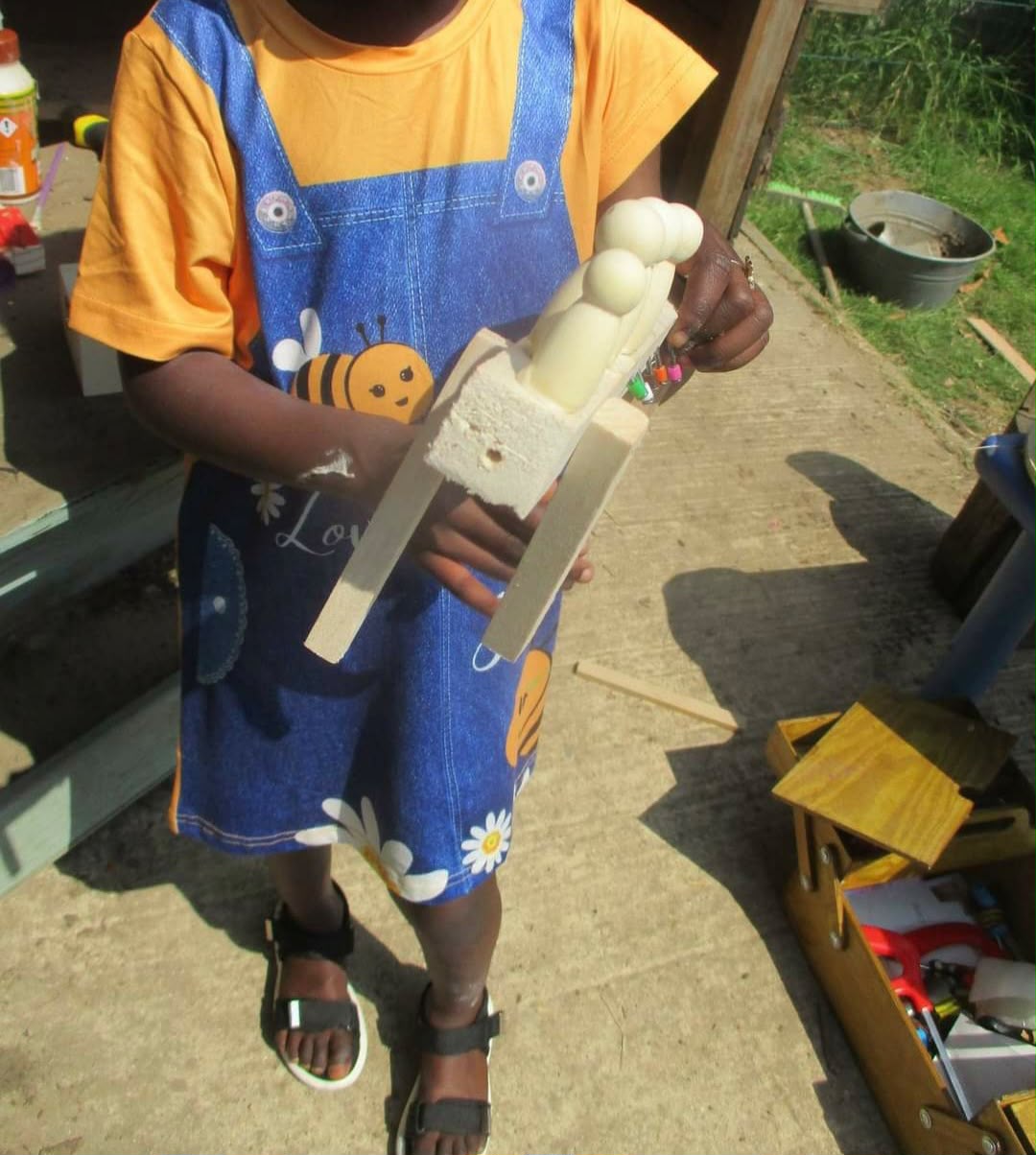
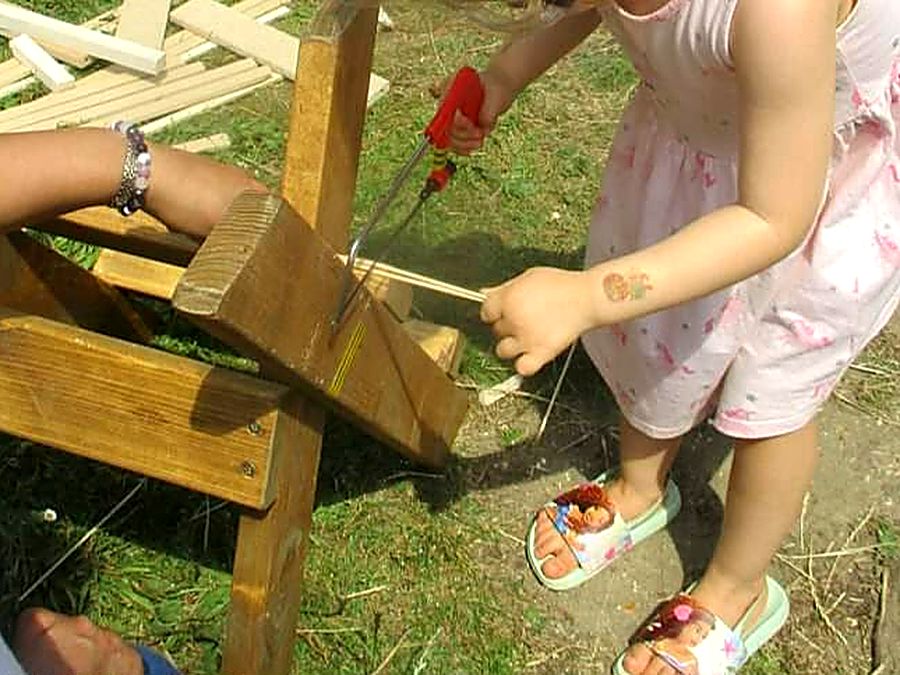
Working in small groups of three, they learn to use real tools such as hammers, nails, hand drills and saws, with a knowledgeable adult beside them to support and guide them.
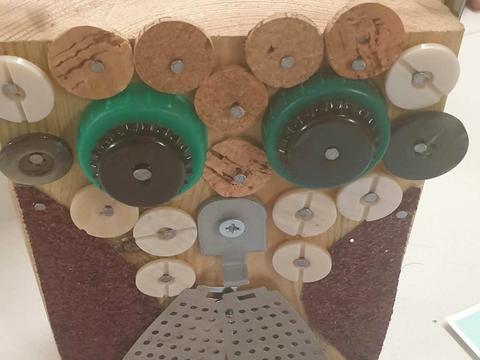
The emphasis is on doing, exploring and making for themselves — building confidence, coordination and a genuine relationship with wood.
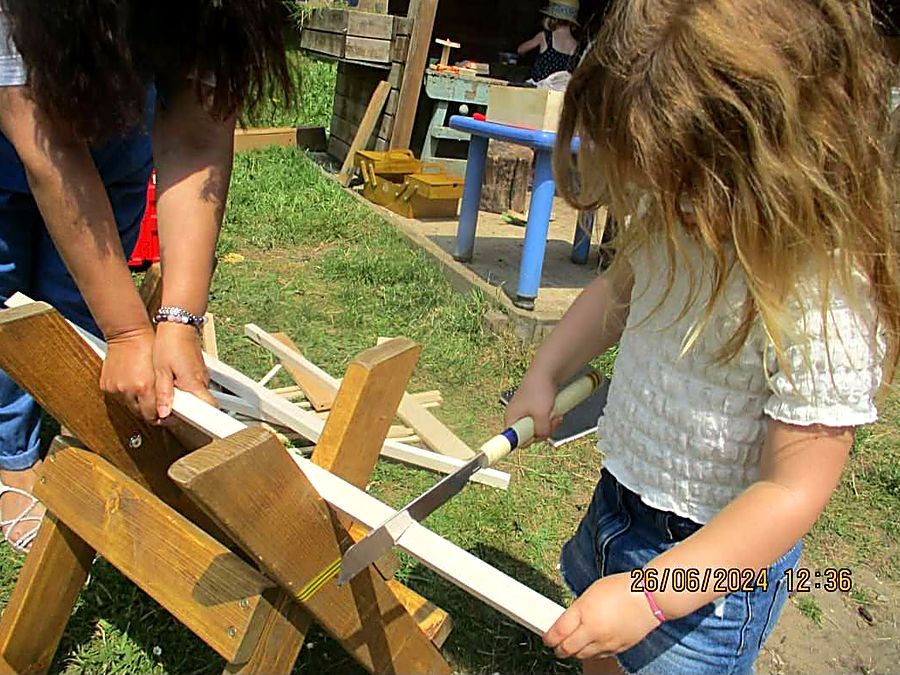
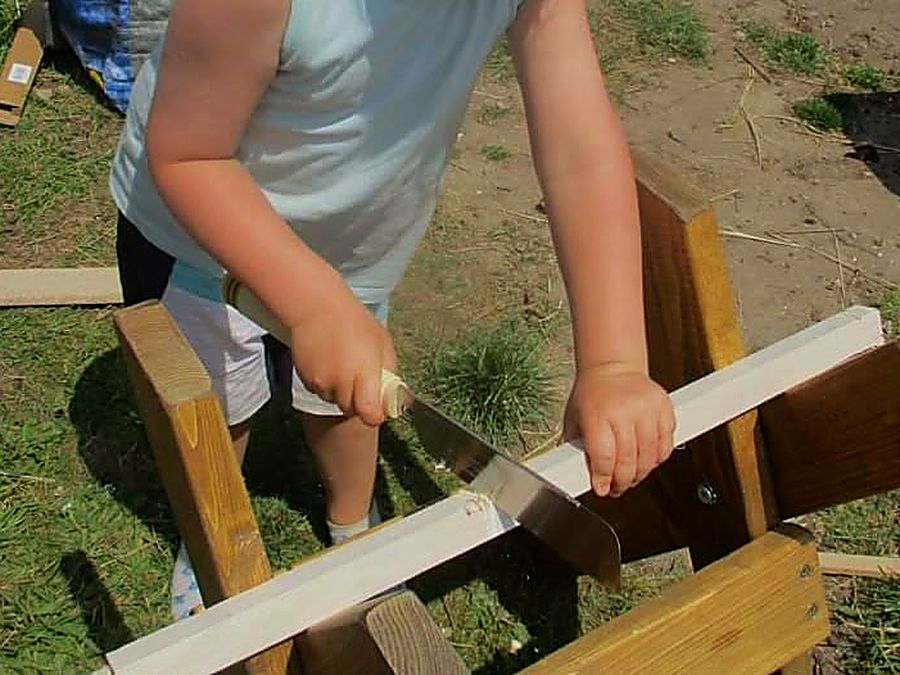
Woodwork covers every area of learning in the EYFS — and involves STEM.
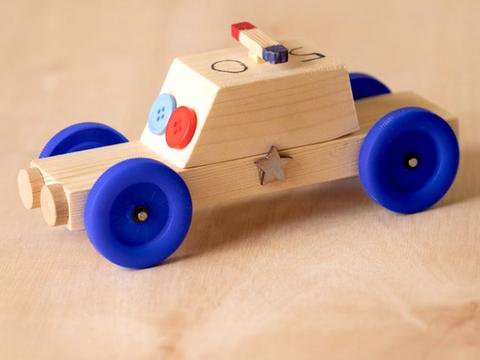
What we made
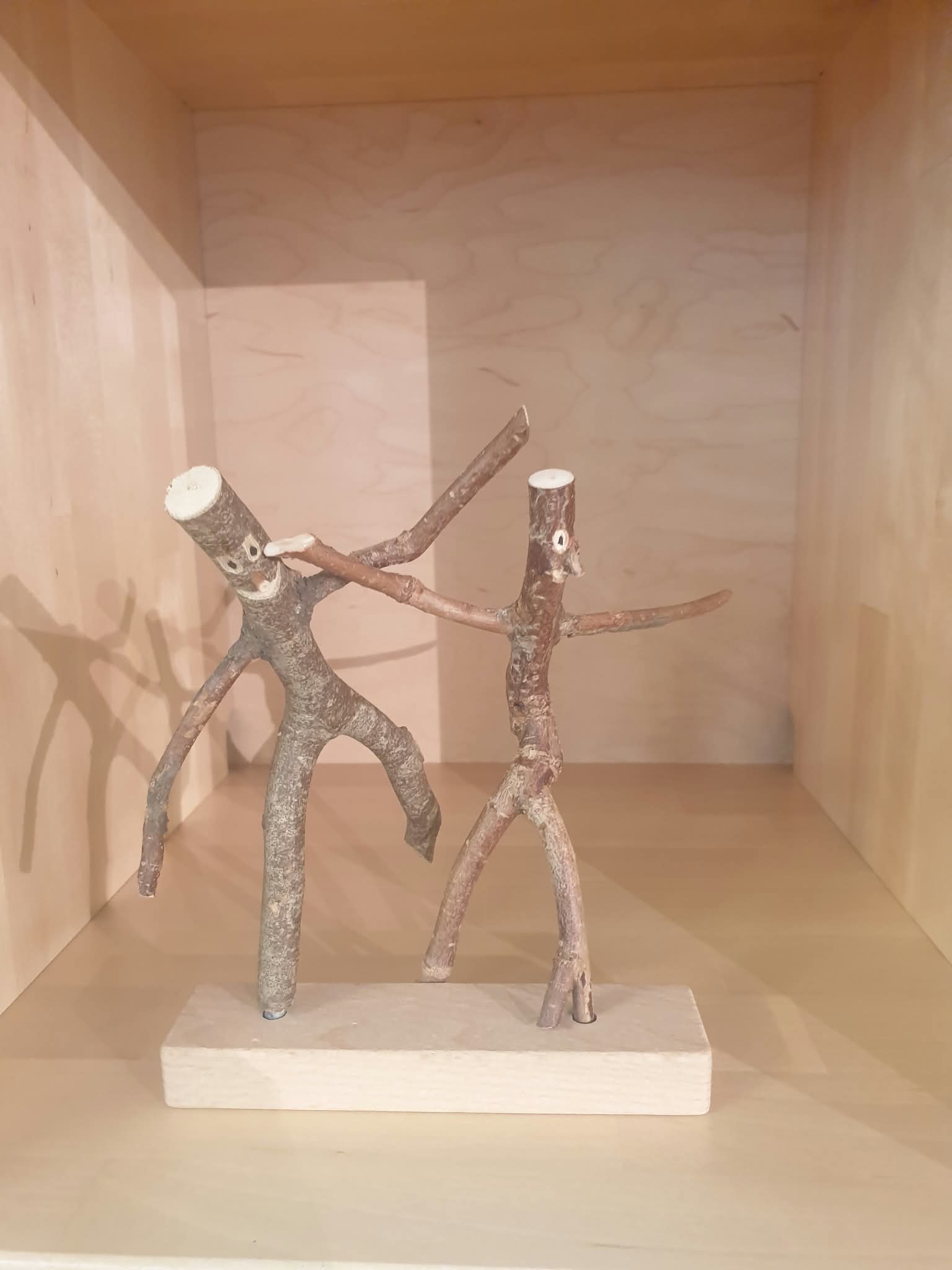
Learning beyond the front door
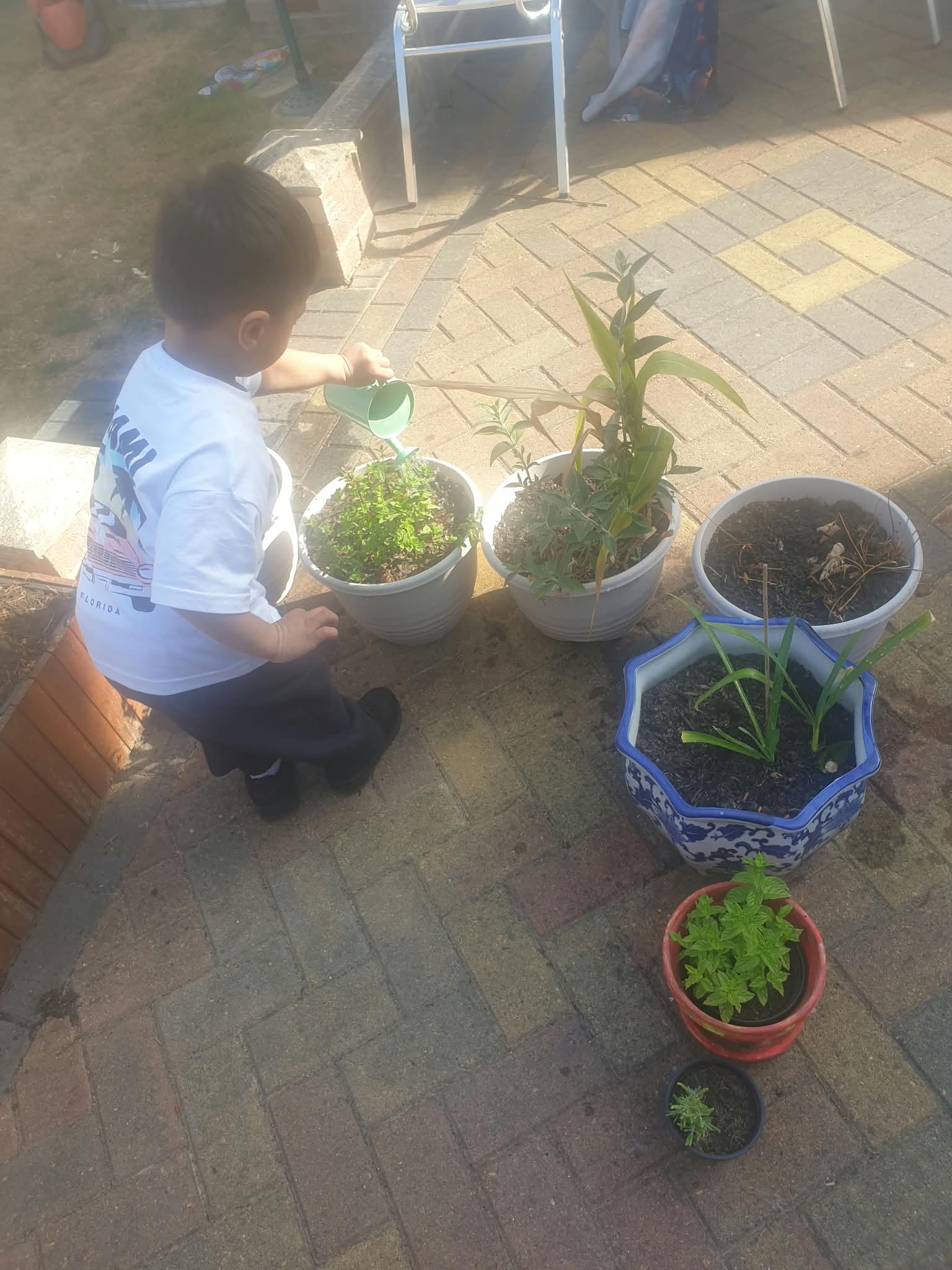
Our enhanced curriculum takes learning into the real world. We visit libraries, parks, farms, zoos, museums and places of worship, while travelling by train and bus. These experiences help children explore, discover and build a deeper understanding of the world around them.
Three generations of wood work
At Timber Tigers, our connection with wood goes back generations. Our family heritage is built on craftsmanship, joinery, construction and a deep understanding of quality timber.

Mombasa · Nairobi · Britain
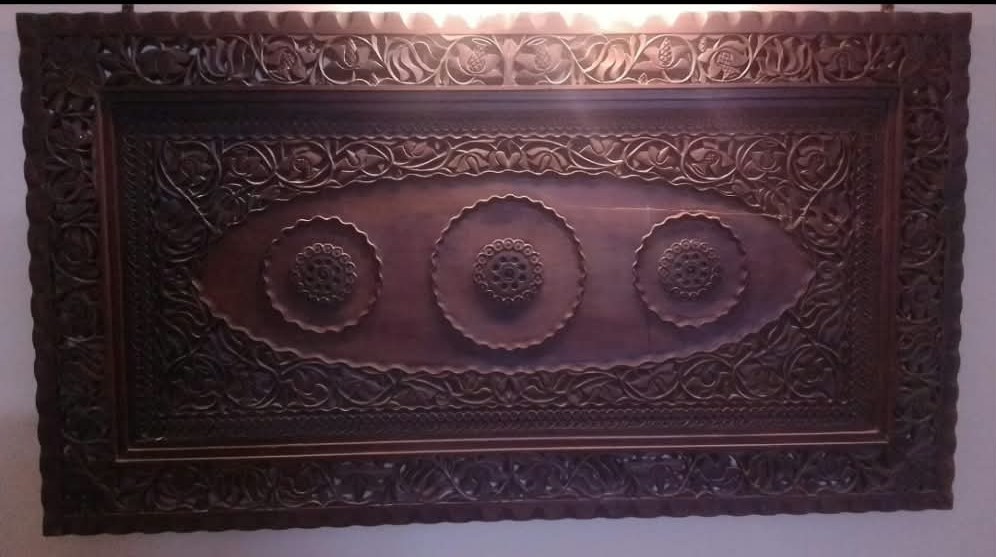
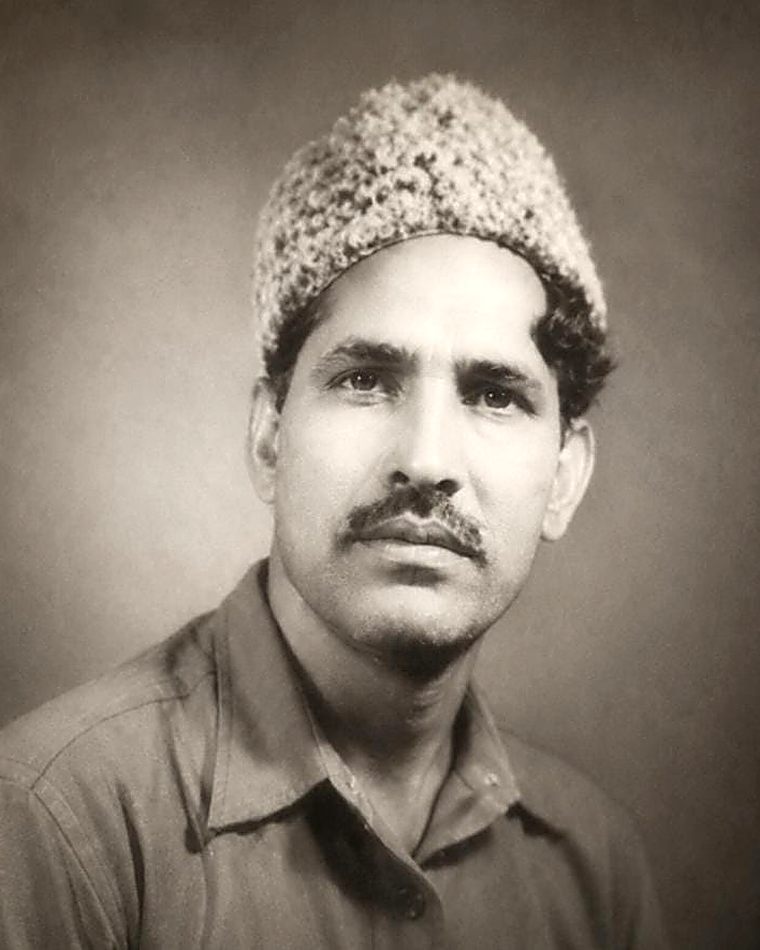
Our story stretches from Lahore to Kenya, Pakistan and Britain. In Kenya, Fazal Din became a respected master joiner and cabinet maker, creating bespoke furniture and specialist joinery. His woodworking career continued from Mombasa and Nairobi to Britain, where he produced large timber doors and specialist work for churches and other prominent buildings.
Family history also connects Fazal Din to the original timber construction of the Mombasa Elephant Tusks in 1952 — a story that remains a proud part of our family's woodworking heritage.


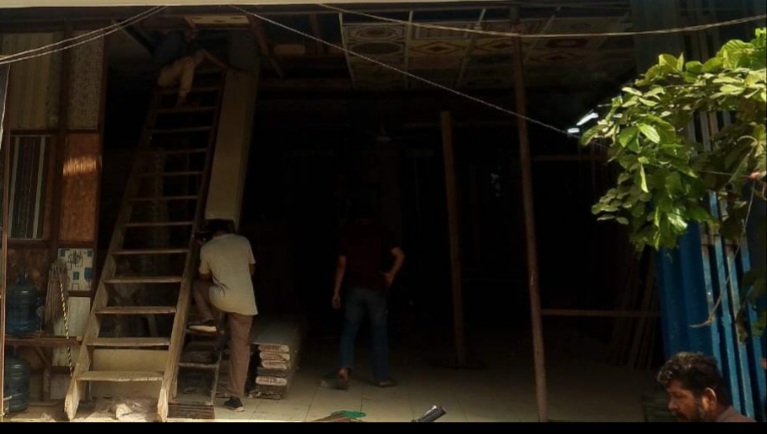
Alongside this craftsmanship, Haji Taj Din built a reputation in Karachi's timber trade through Haji Taj Din Bombay Wala & Sons, becoming particularly renowned for sourcing exceptional Deodar. His commitment to quality earned him the name “The King of Deodar.”
These two traditions — knowing the timber and knowing how to work it — are at the heart of Timber Tigers today.
Karachi timber trade
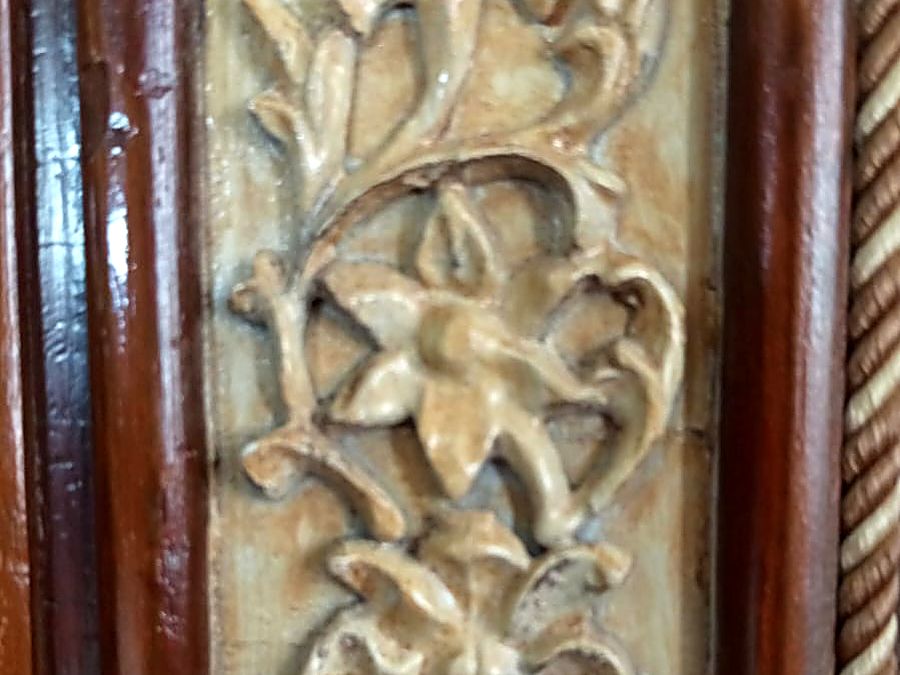
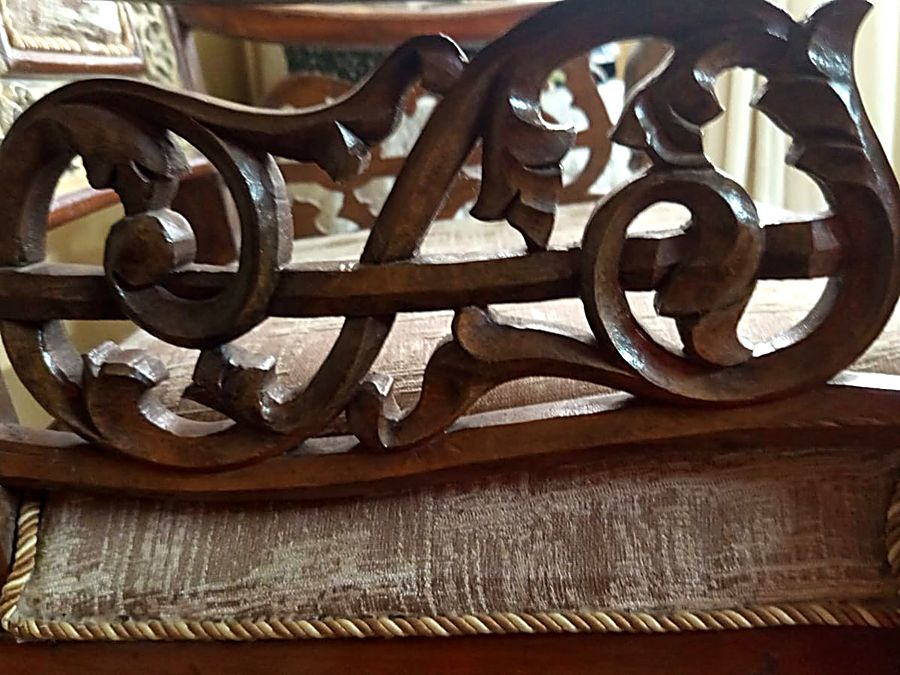
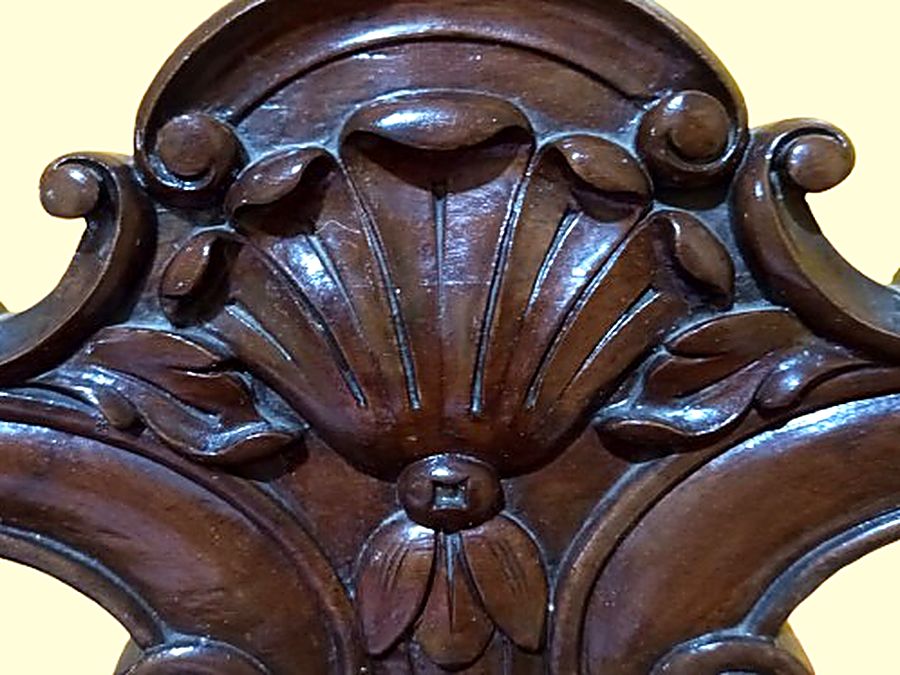
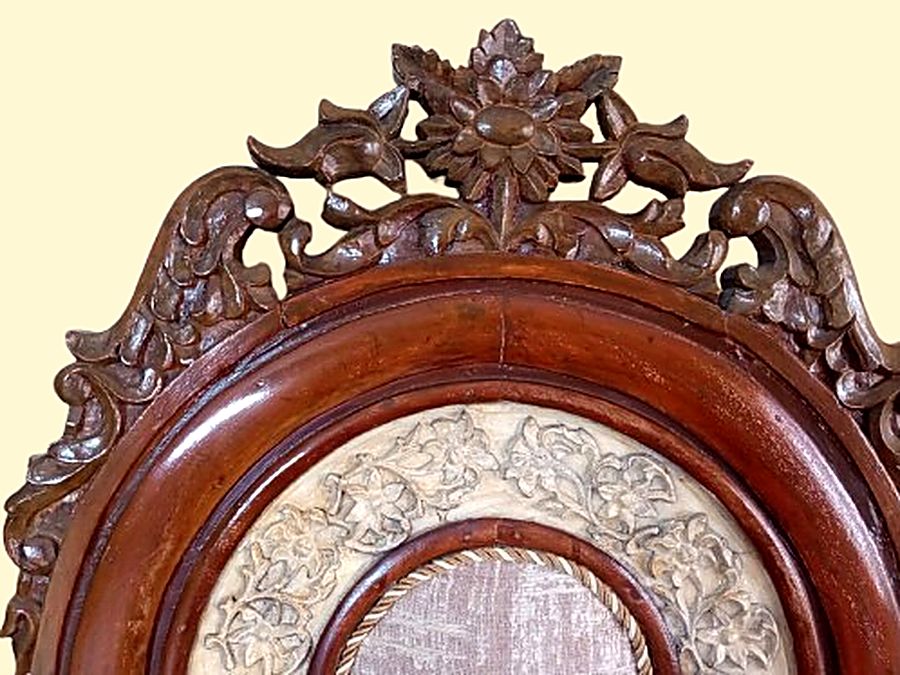
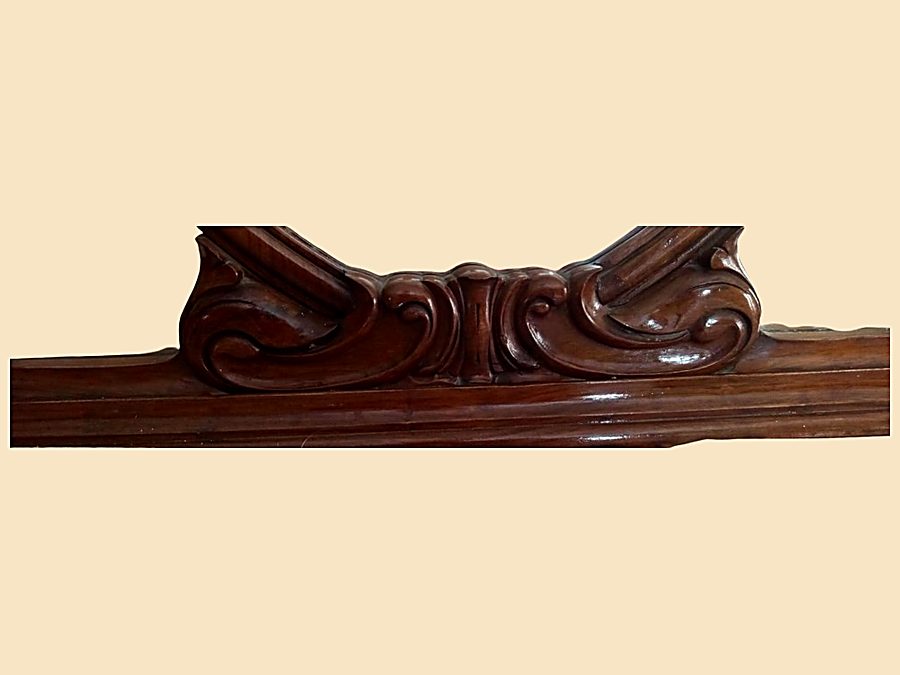
A legacy built through generations. A passion for timber that continues today.
Learn MoreWhat families say
Notes from the parents who trust us with their mornings.
Our son arrived not able to sit still for four minutes. He now spends forty on a single joint, tongue out, completely absorbed. Ghossiya found the one thing that reached him.
I was nervous about real tools around a four-year-old. Then I watched the induction — one child at a time, hands where she can see them. I have never worried since.
She came home with a wooden giraffe she had made herself and put it on the dinner table every night for a month, daring us to say it wobbled. It did not wobble.
Three children, one bench. After a nursery with twenty-eight in a room, the difference in our daughter's language and confidence was obvious within a term.
A wall of wood, three generations deep
From the children’s creations at the bench to pieces from my grandfather’s timber factory, each piece carries a story of creativity, craftsmanship and our family’s connection with wood.

The Timber Tigers Journal
Stories and discoveries from our days of making, playing and exploring.
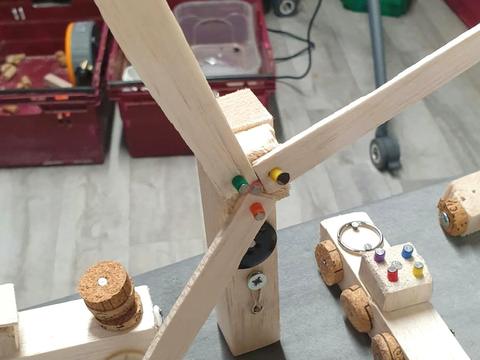
The week the merry-go-round finally turned
Two weeks of measuring, one collapsed axle and a lot of sanding later, it spins. A short write-up of how the children solved it themselves.
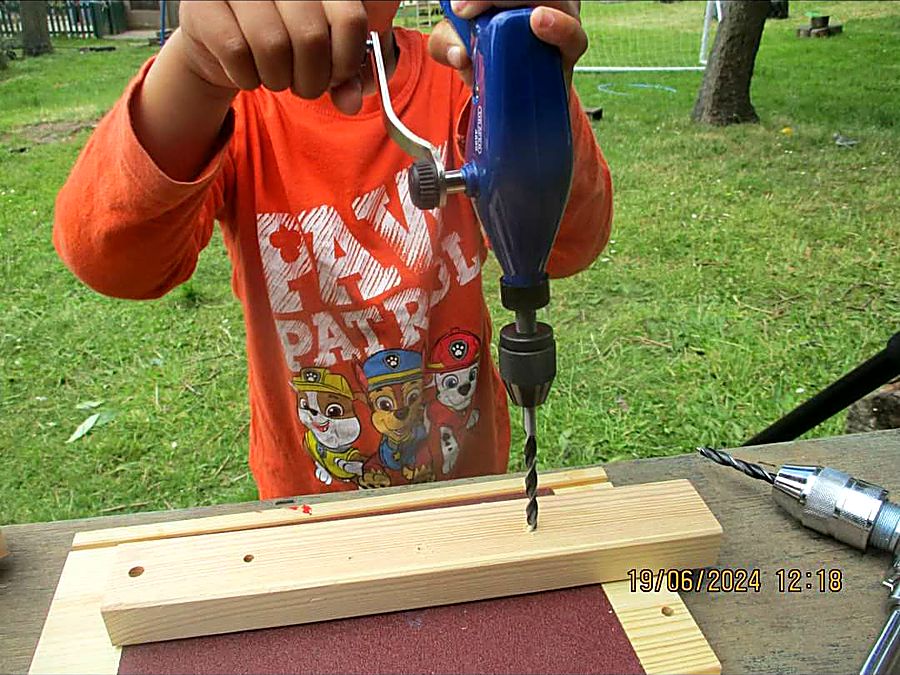
Why we use real tools, not toy ones
A hammer that works is treated with respect. A plastic one is a toy. Here is how we introduce each tool, and the rules the children set for themselves.
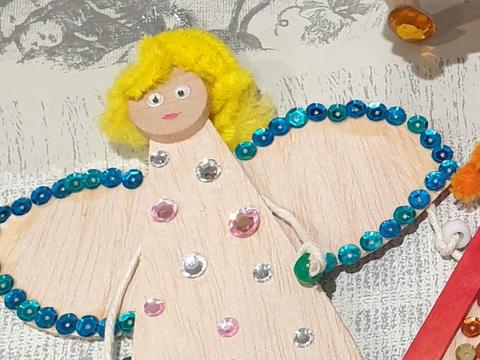
Froebel gifts, explained for parents
People often ask what the wooden blocks in the living room actually are. A quick guide to the gifts, and what the children are learning while they play.
Come see what we are making
Visit us and discover a place where children are trusted to explore, create and make things for themselves.
Full address shared when you book a visit




A special thank you to my husband, Jazz Shahzad, for his love, help and support throughout the making of the Timber Tigers website.
Thank you to my brother, Qasim Bhatti, for his support and for helping bring our family history, background and heritage to life.
And thank you to Sadik Mohsin for his support and help in creating the Timber Tigers website.